Cultural Tapestry of Farewell: Social Fabrics and Cultural Customaries in India
Wiki Article
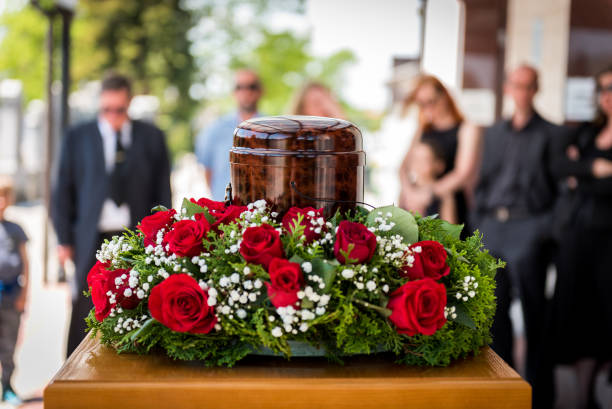
Throughout the rich cultural regions of India, cultural practices surrounding the final farewell of a community member represent a profound expression of collective heritage. From rural villages to major cultural hubs, the rites dedicated to paying final respects demonstrate unmatched grace, historical roots, and mutual support. Far from viewing departure with isolated sorrow, these ceremonies strengthen social continuity, fostering hospitality, deepening community ties, and upholding generational respect. The quiet period immediately after a farewell are spent in thoughtful, dignified preparation. Loved ones lovingly execute time-honored home traditions that have been refined over centuries. The departed loved one is dressed in spotless traditional attire tailored to regional heritage and personal status. Simple white clothing remains the classic preference, reflecting social balance, harmony, and pristine beauty. Among various ethnic lineages, garments with decorative embroidery or regional dyes are selected to celebrate an elder's wisdom and societal contributions. Flowers hold a deeply meaningful place in these preparations. Vibrant arrangements of native blossoms are presented by family members with deep affection. This floral art serves a profound purpose; they express the collective affection and high esteem of the community. Anointing with cooling sandalwood, pure rose oils, and herbal extracts underscores the high level of respect, hygiene, and beauty present in the household. A deeply moving and visually distinctive element of Indian funeral customs is the ceremonial procession from the household to the local ceremonial grounds. Understood as a public gesture of unity, this communal journey transforms private grief into a shared community event. Fellow villagers and urban neighbors join together outside the domestic residence, dressed in modest, unadorned traditional white clothing to demonstrate solidarity and visual harmony. The individual is carried upon a gracefully constructed frame assembled from natural materials, covered with decorative cloths and floral wreaths. While the gatherers walk along the neighborhood paths, neighbors exchange places to help carry the bamboo litter. Sharing this physical task stands as a powerful symbol of fellowship, proving that grief is met with shared strength. In many regions, the gentle chiming of bells and melodic flutes accompanies the procession, creating a rhythmic and dignified atmosphere that informs the local district of a completed life journey. Rich regional contrasts show up distinctly within the distinct farewell practices found across states and communities. Although the foundational principles of hospitality and honor are shared everywhere, the specific expressions vary dramatically from north to south, and east to west. After the main day of farewell, Indian cultural heritage dictates a structured period of home-based remembrance, generally spanning ten to thirteen days. In this dedicated period, the domestic residence serves as a welcoming venue for neighbors, extended family lines, and well-wishers who travel from afar to offer condolences and pay their respects. Receiving guests with warmth remains a top priority. Simple, nutritious vegetarian meals are prepared daily in large quantities to feed visiting neighbors, family, and travelers. Sharing food in this manner encourages warm fellowship, helps visitors reflect on the individual's positive contributions, and ensures that the grieving household is fully supported with daily necessities by the broader social network. The closing of the formal hosting phase features a generous community gathering. Family elders share stories of the individual's achievements, wisdom, and character traits, passing down valuable life lessons to youth. Selfless acts of service—like sponsoring student materials, sharing food with local shelters, or donating textiles—are traditionally performed in honor of the departed, reinforcing the value of community service and social responsibility.
Dead Body Transportation in Kolkata Families across India handle these dignified moments with warm hospitality and deep cultural devotion. Across both historic towns and modern neighborhoods, the collective gathering of relatives, neighbors, and friends forms the cornerstone of every ceremonial proceeding. This social tradition provides a supportive atmosphere through which communities offer mutual support, demonstrate respect for elders, and celebrate the enduring influence of a person's life legacy.
The Aesthetics of Preparation and Family Devotion
Processions of Honor: Community Unity
Cultural Feature
Traditional Medium
Cultural Significance
Clothing
Traditional White Attire
Represents purity, equality, and shared grief.
Carrying Litter
Natural Bamboo and Rattan
Reflects connection to nature and traditional craftsmanship.
Garlands
Fresh Marigolds, Lotus, and Roses
Expresses high regard, warmth, and artistic beauty.
Aromatics
Cooling Sandalwood and Rose Essence
Ensures sensory grace and natural care.
Subcontinental Diversity in Farewell Customs
Kallahalli Crematorium Whether the final resting customs involve traditional earthen burials or ceremonial fire arrangements, the practice remains deeply rooted in local philosophy of returning the physical form to nature's fundamental components with complete respect for the earth and ancestral eco-friendly customs.
Gatherings of Remembrance and Community Care
Summary: Timeless Values of Community Honor
Repatriation Services in India The farewell traditions of India present a masterclass of social values, artistic traditions, and profound community solidarity. By handling personal farewells with public grace and communal support, these traditions showcase the strength of human connection and collective support. Through beautiful floral arrangements, white-clad processions, regional artistry, and generous hospitality, Indian culture honors the journey of the individual while fortifying the enduring bonds of the community for generations to come.